When is a one-page website the right choice?
When does a one-page website make sense? Discover its benefits, limitations, design principles and the types of businesses it suits best.
Introduction
Businesses increasingly recognise that being online is essential to competing effectively. A website has become a business card, a sales tool and a place to build relationships with customers.
Among the many options available, the one-page website stands out for its modern format and ease of use. Young businesses, startups and brands often choose it to present their offering quickly and attractively. But is it always the best solution?
In this article, we look at what one-page web design involves, its main benefits and limitations, and the industries that can gain the most from it.
If you are wondering whether this website format would work for your business, read on.
Read onWhat is a one-page website?
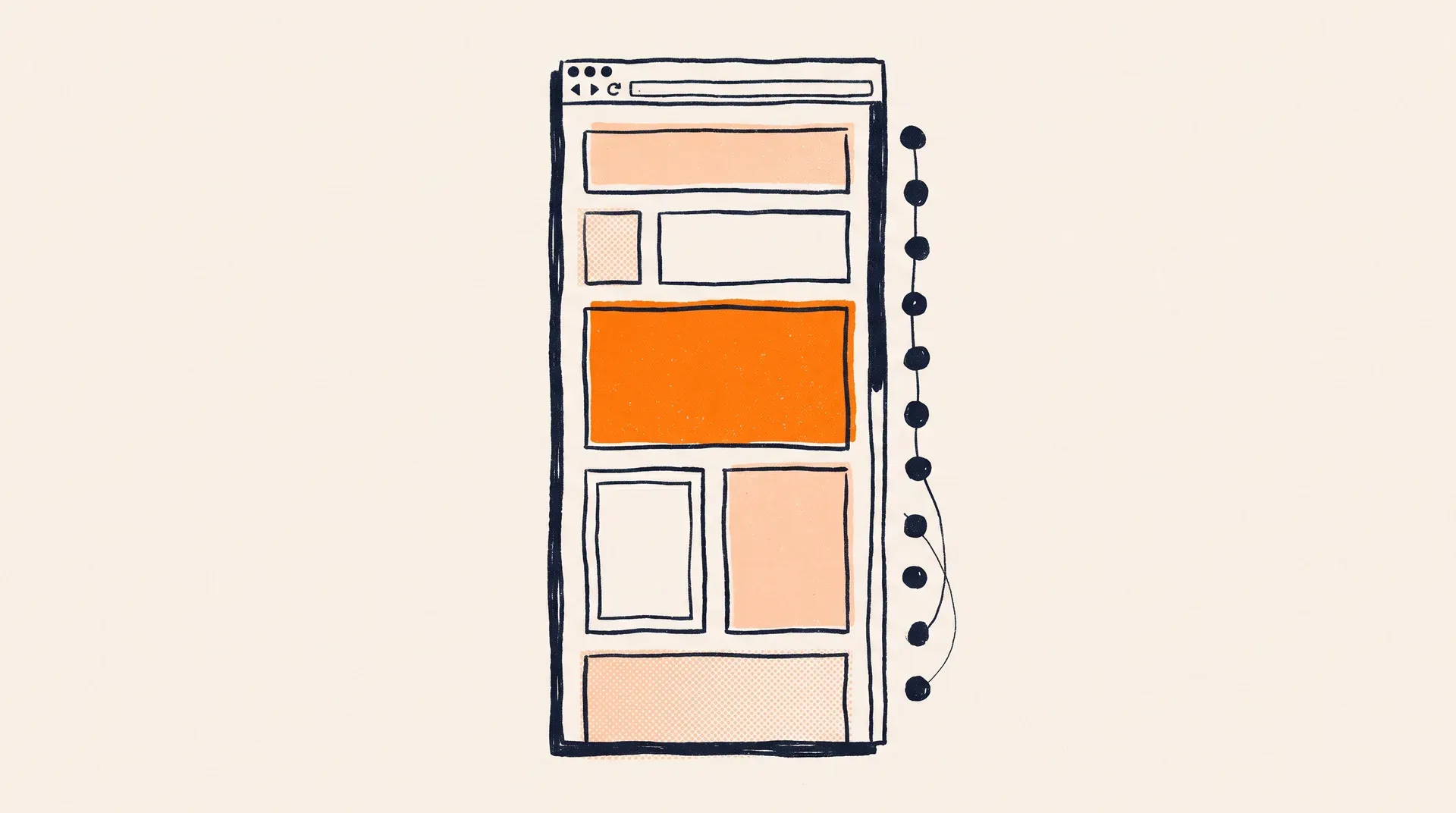
A one-page website is a site that puts all its key information on one continuous page, rather than dividing it between separate pages.
Visitors navigate by scrolling or using a menu that takes them smoothly between sections. This structure is particularly popular with businesses that value simplicity, efficiency and modern design.
Key features of a one-page website:
- Section-based structure - the page is divided into themed blocks such as a company introduction, services, portfolio, testimonials and contact details.
- Simple navigation - a streamlined top menu takes visitors to the section they want on the same page.
- Dynamic design - one-page websites often use visual effects such as animations, microinteractions and parallax scrolling to make browsing more engaging.
- Concise content - limited space means that every piece of content needs careful thought and must be as concise as possible.
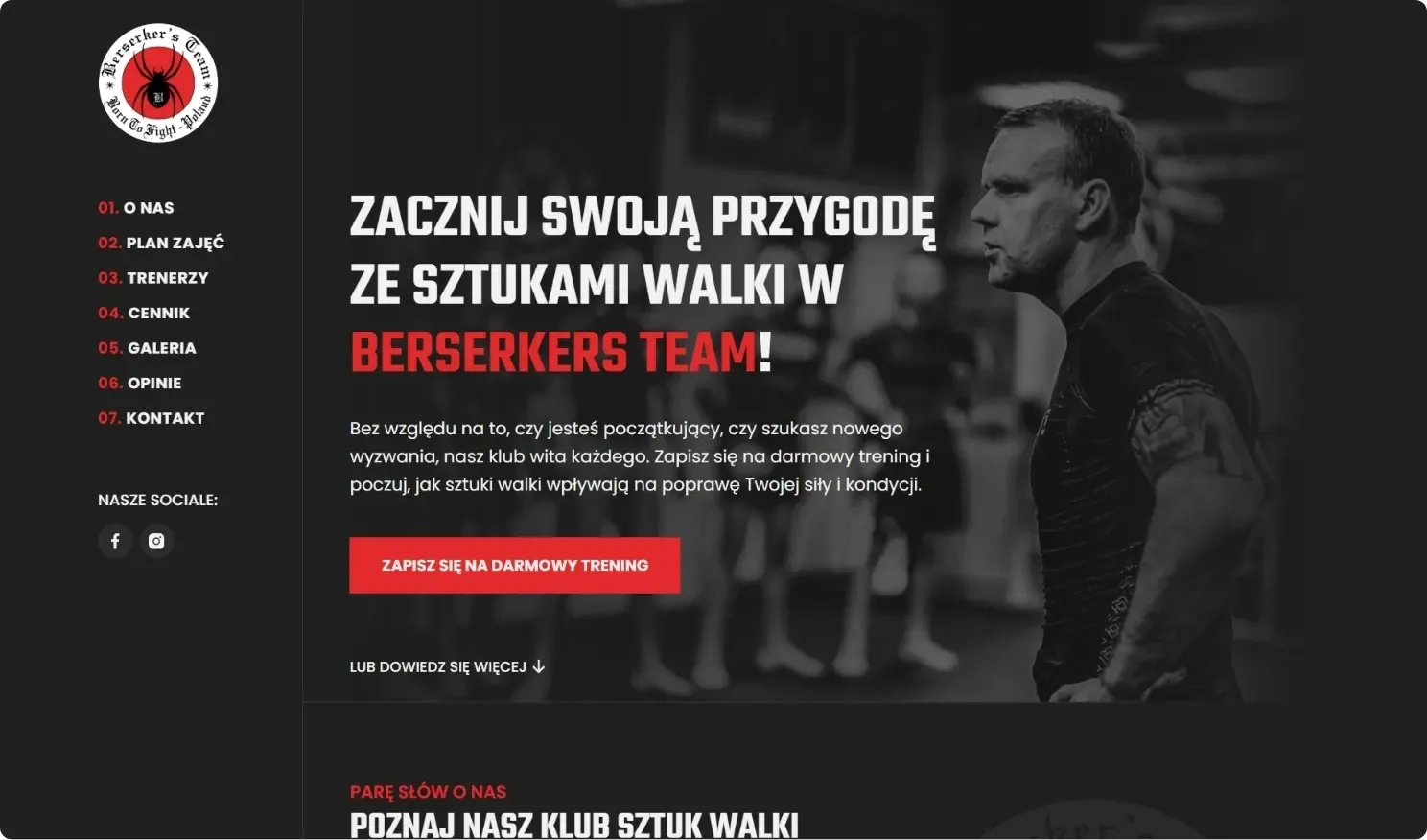
To see what a professionally designed one-page website looks like, take a look at our agency’s work for Berserkers Team Rzeszów. It shows how well-planned sections and appealing design can make full use of this format.
Benefits of one-page websites
One-page websites have become popular because they are simple, attractive and effective at communicating information. When visitors expect quick access to content and intuitive navigation, a single-page site can be an appealing choice for small businesses and startups alike.
These are the main benefits of choosing this format:
- A clear message - a single-page website lets visitors find the key information quickly. Without an extensive menu, there are fewer distractions, and visitors immediately reach the sections describing the most important parts of the business.
- A better user experience (UX) - simple navigation is especially valuable on smartphones and tablets. One-page websites usually display well on mobile devices, improving the experience for visitors.
- Visual appeal and modern design - the one-page format lends itself to minimalist, striking visual solutions. It can help a brand stand out and present itself as a business that values innovation.
- Focus on the main goal - fewer elements make it easier to direct attention towards a particular action, such as completing a form, subscribing to a newsletter or making a purchase. This can lead to higher conversion rates.
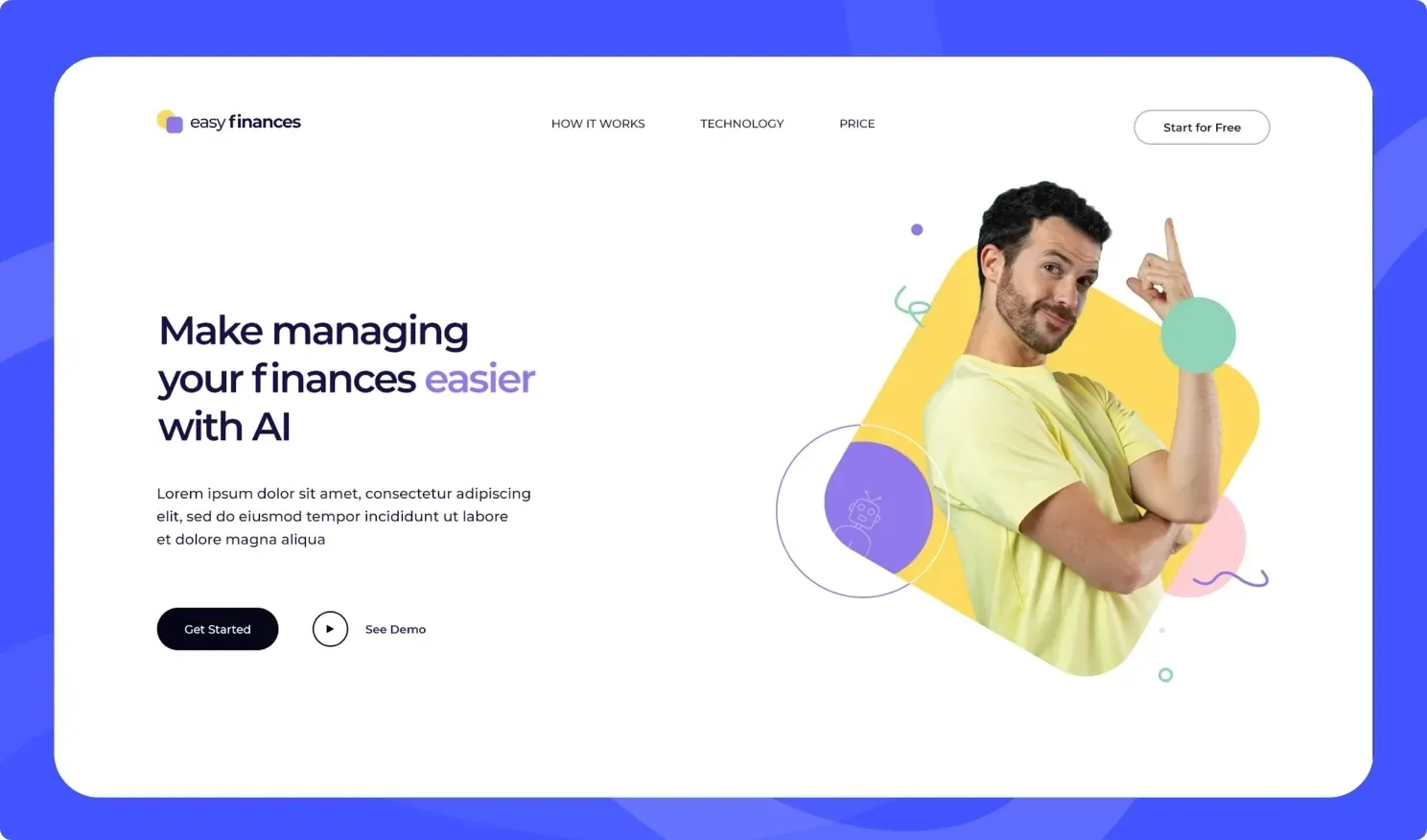
One-page websites are an ideal tool for businesses that want to present their offering clearly, quickly and attractively.
Simple navigation, a better user experience and visual appeal are just some of the advantages that make this type of website useful across different industries.
Despite their simplicity, these sites can effectively build a company’s image and increase conversions when designed well.
Limitations of one-page websites
Although one-page websites have many benefits, they are not a universal solution for every company or project. Choosing this format brings limitations that can affect functionality, future growth and online visibility.
Before choosing a single-page format, consider whether it matches your business needs and long-term goals. Below are the main challenges that owners of one-page websites may encounter.
- Limited room to grow - if your growth plans include publishing a lot of material, such as a blog, product catalogues or guides, a conventional multi-page business website may be more flexible.
- Fewer SEO options - for website SEO, a multi-page site allows each page to be optimised separately. A one-page site needs carefully planned keywords and headings to avoid overcrowding a single page.
- The risk of content overload - putting all the information on one page can increase loading time, especially if it contains many images and multimedia elements. Organise the content into suitable sections and optimise the image files.
When should you choose a one-page website?
Before building a one-page website, take a close look at your company’s needs and how you want to present your offering. Although this format is visually appealing and easy to use, it is not always the best solution, particularly for businesses with a broad range of services or content.
Here are situations where a one-page website can make sense, and the types of businesses most likely to benefit:
- Startups and young businesses - when the priority is getting online quickly and showing the advantages of the offering in an attention-grabbing way.
- Promoting a particular product or service - if a business or digital agency offers a narrow range of services, one page can be enough to present all the benefits effectively.
- Temporary events and conferences - for short-term events where visitors need the essentials about the programme, speakers or venue.
- Businesses with a clear, focused offering - for example, a tax adviser, a small design studio or a photographer who specialises in one field.
A one-page website is an excellent option for businesses with a simple, clearly defined focus that want to present their offering in a modern, appealing way.
It is particularly effective for startups, promoting individual services and short-term events. If the website needs to serve a single advertising campaign, a landing page with one conversion goal, without a menu or distractions, is a better choice.
The final decision should always come from an analysis of your brand’s needs, target audience and online growth strategy.
Which industries does it suit?
Whether a one-page website is suitable depends mainly on the services offered and customer expectations. Here is a brief look at industries where this approach often works:
- Beauty services - one attractive page with sections showing treatments, short descriptions, before-and-after photos and a booking form may be enough. Scrolling lets customers quickly decide whether the salon’s offering interests them.
- IT services - small companies offering a single service, such as implementing a particular system or application, can present their proposition effectively with a few slides showing features and a contact form.
- Creative work - photographers, graphic designers and illustrators can showcase their key projects in a striking portfolio. A short description, a few selected pieces of work and contact details are often enough to attract potential clients.
- Consulting services - if you offer legal, tax or coaching consultations in a clearly defined field, a one-page website lets you quickly explain your approach and show feedback from existing clients.
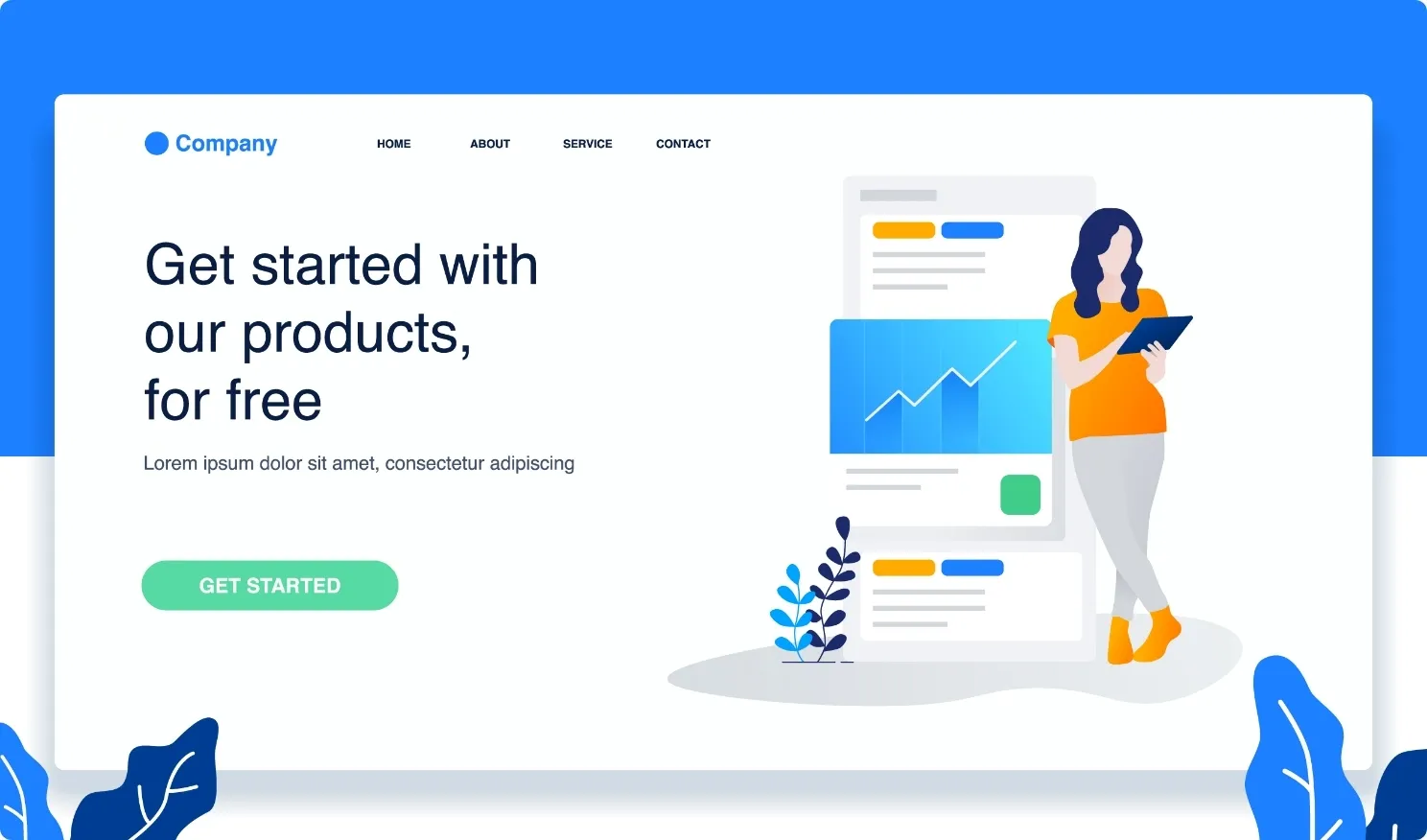
How do you design an effective one-page website?
Although this format uses only one page, carefully arranged content and attractive presentation are essential. Here are a few pointers:
- Engaging but concise content - even on a single page, add variety with infographics, highlighted quotations and short lists of benefits. Work your keywords in naturally.
- Responsive design - people browse on the way to work or school and while shopping. Make sure your one-page website looks good on computers and smartphones alike.
- Temporary events and conferences - for short-term events where the essentials about the programme, speakers and venue are enough.
- Well-planned calls to action - make buttons leading to the contact form or pricing section easy to spot, especially if you want visitors to act quickly.
- Speed optimisation - a single page can contain a lot of text, images and video, all of which affect loading time. Compress images, use effective caching and check performance with tools such as Google PageSpeed Insights.
Summary
A one-page website is an appealing option for businesses that want to present their offering concisely, attractively and in a modern format. It is particularly suitable for young businesses, companies with a focused range of services, a single product launch or short-term events.
Keep the limitations in mind, including restricted room for expansion and the need for carefully targeted SEO. When the format suits the business, however, a one-page website can be exactly the right choice, particularly with well-chosen local keywords, modern design and fast loading.
FAQ: common questions about one-page websites
Five questions that come up when choosing a website format: the definition, suitability for your business, SEO, the difference from a landing page and loading speed. The sections above explore these in more detail.
What is a one-page website?
It is a website that puts all its key information on one continuous page instead of dividing it between separate pages. Visitors scroll through the content or jump between sections using a simple menu. Typical sections include the company, services, portfolio, testimonials and contact details. The content needs to be concise because there is less room.
When is a one-page website a good choice?
When the business has a narrow, clearly defined focus. It works for startups and young businesses that want to get online quickly, for promoting a single product or service, for short-term events and conferences, and for businesses such as a tax adviser, small design studio or photographer with one specialism.
Is a one-page website worse for SEO?
It gives you less flexibility. A multi-page website lets you optimise each page for different keywords. A one-page site puts everything at a single address, so you need to plan the keywords and heading structure in advance to avoid overcrowding it. With a focused offering and local keywords, it can still work effectively.
How does a one-page website differ from a landing page?
A one-page website presents the whole business in several sections along one scrolling page: services, portfolio, testimonials and contact details. A landing page is built for a single advertising campaign and has one conversion goal, with no menu or distractions. If the page is meant to serve a particular campaign, a landing page is a better fit than a comprehensive one-page website.
Does a one-page website load more slowly?
It can, because all the content, images and multimedia load from one address. This format needs well-organised sections, compressed images, caching and regular performance checks, for example in Google PageSpeed Insights. Otherwise, visual effects and animations can cancel out the advantages of a simple layout.
Your offering and plans for developing it should determine whether you choose a one-page website, rather than a trend for one long screen. Have a question we have not answered? Email biuro@digidraft.pl. We reply within 24 business hours.