Inside ChatGPT: how it works, what it can do and how to use it in your business
How does ChatGPT work, what does it cost and what can it do for a business? Practical prompts, files, images, SEO, privacy and a comparison with Claude.
ChatGPT - what it is and what you are actually paying for
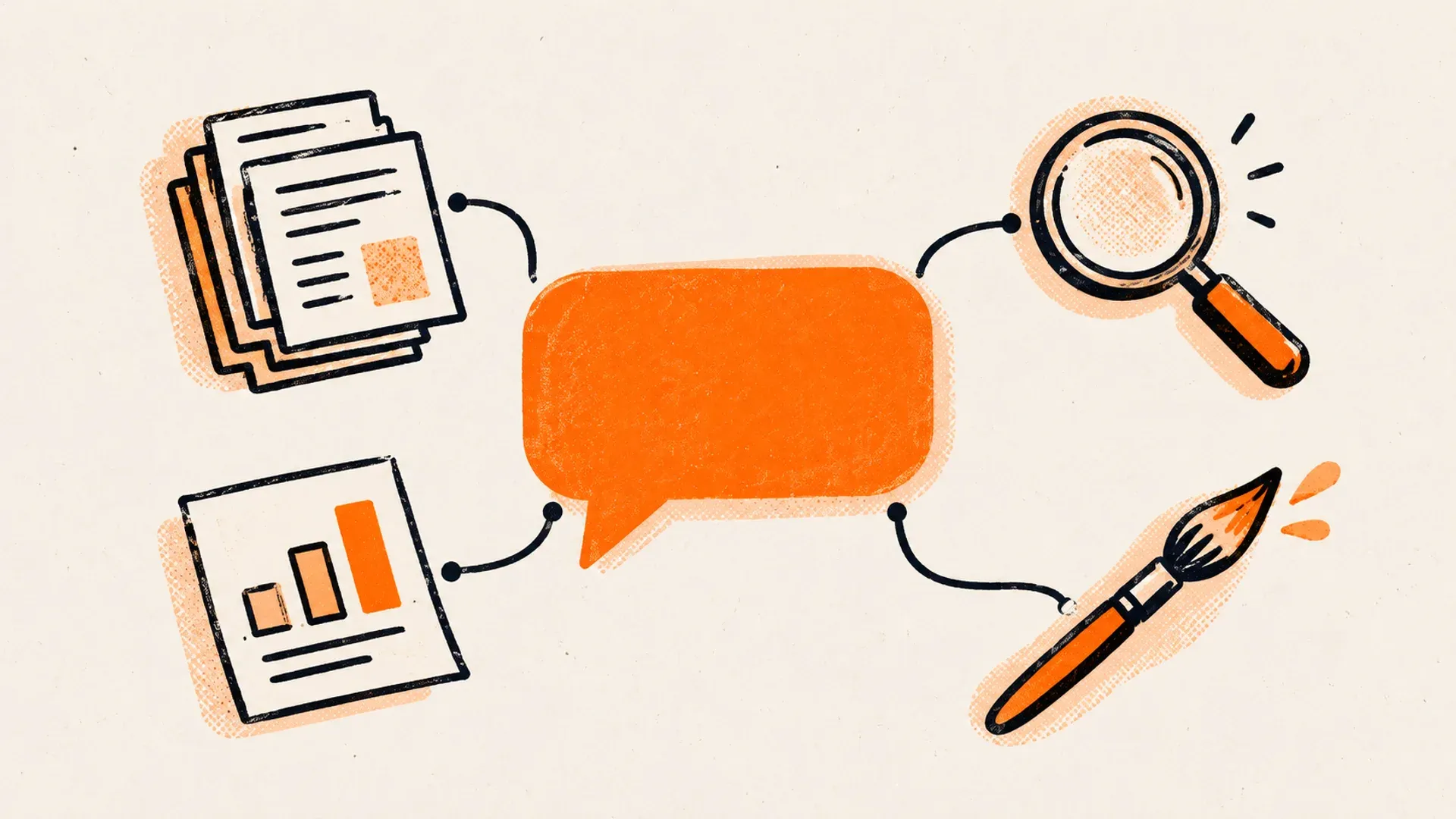
This article was written entirely by ChatGPT at my request, as a counterpart to the article about Claude. The illustrations were also created using AI. Product information was checked against official sources on 31 October 2026. The examples and prompts are original educational scenarios, not research findings or client stories.
You open a chat, ask for a proposal and have a draft moments later. It looks professional. Only on a second reading do you notice a deadline you never promised and a service you do not sell. That is a useful starting point for discussing ChatGPT: it can do useful work very quickly, but you need to define what counts as a correct result.
ChatGPT is an artificial intelligence assistant developed by OpenAI. In one application, it combines conversations with AI models and access to tools: search, working with files, image generation and producing finished materials. Availability depends on the plan and environment. OpenAI’s official guide distinguishes conversation in Chat, tasks in Work and work with developer tools in Codex.
The correct name is ChatGPT, although you will also see “Chat GPT” in Google searches. GPT stands for Generative Pre-trained Transformer. ChatGPT is the product; the model is one of its components. Think of a photo application and the engine that processes the image: the application’s name alone does not tell you which operations are available.
In a business, the result matters: can notes become an accurate brief, a spreadsheet become a meaningful report, and documentation become a response for a customer? Below, we move from the underlying mechanism to those tasks. We do not assume that a business owner needs to become a programmer.
How ChatGPT works: the model, context and tools
A language model learns patterns from data and generates successive pieces of text, called tokens, when answering. A token may be a word, part of a word or a character. The model uses instructions and available context to produce a response. OpenAI’s model documentation explains the basic concepts.
This explains both its flexibility and its central pitfall. A model can construct a convincing description from incomplete data. Fluent writing is not a measure of truth. An invented legal provision or a nonexistent report may sound just as confident as an accurately summarised document.
What affects the quality of a response

Swipe across the screen
Layer
What it contributes
What to check
Understanding instructions, generating content, reasoning.
Whether it handled the difficulty of the specific task.
The brief, files, conversation, examples and constraints.
Whether it received current, complete materials.
Search, calculations, files, images and integrations.
Whether they were actually used and what they returned.
Comparing the response with its source and purpose.
Whether the material can be used without adding unsupported facts.
Why a long conversation does not solve everything
The context window has a limited capacity. Do not confuse it with perfect recall of your company’s entire history. A large document may contain conflicting price lists; even access to every page does not guarantee that the right one will be chosen. In practice, specify the authoritative source: “Use prices only from Appendix A; older proposals are examples of style only.”
Projects help organise related conversations, instructions and materials. They are no substitute for well-maintained documents. When your offer changes, remove the outdated source or clearly label it. The guide to projects and chats explains how to organise this work.

What ChatGPT can do: text, data, images, voice and code
One of ChatGPT’s most useful qualities is the ability to move between ways of working. An analysis does not have to end as a description in the chat: it can become a spreadsheet, presentation or document. However, not every feature works on every plan and device. Your reference point should be the official feature list, rather than a screenshot from someone else’s account.
Writing and working with documents
ChatGPT can organise notes, edit text, compare materials and prepare files. Give it a practical assignment: “Compare these two proposals and list the differences in scope.” Check whether each difference points to its location in the source. With scans, first assess whether the content was read correctly. The documentation on working with files covers creating and reviewing documents, presentations, spreadsheets and PDFs.
Data and calculations
For a sales report, supply the spreadsheet and definitions of its columns. Establish whether “revenue” includes VAT, how to treat returns and which date determines an order’s reporting period. Ask for a reconciliation table, totals and an explanation of the formula. A chart without data definitions can look correct while leading to a poor decision.
Generating and editing images
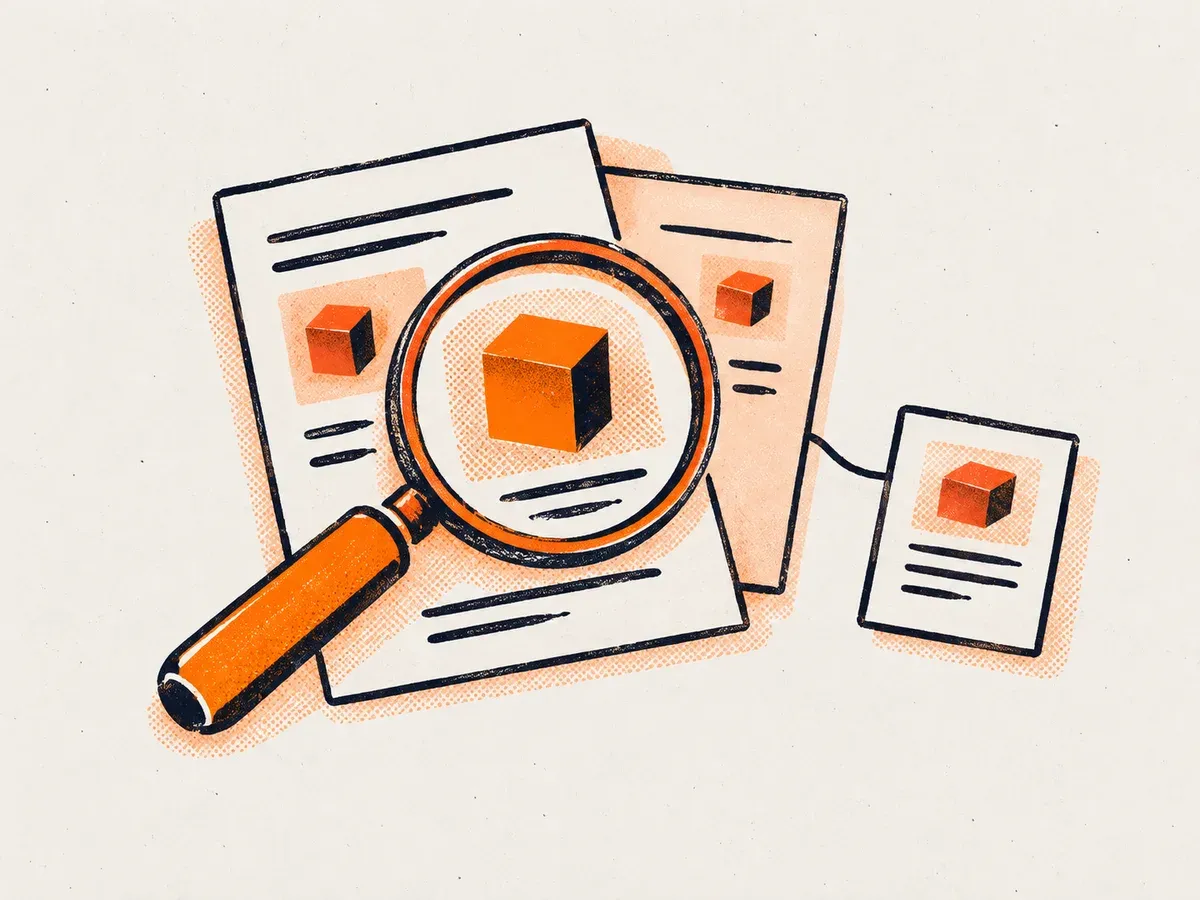
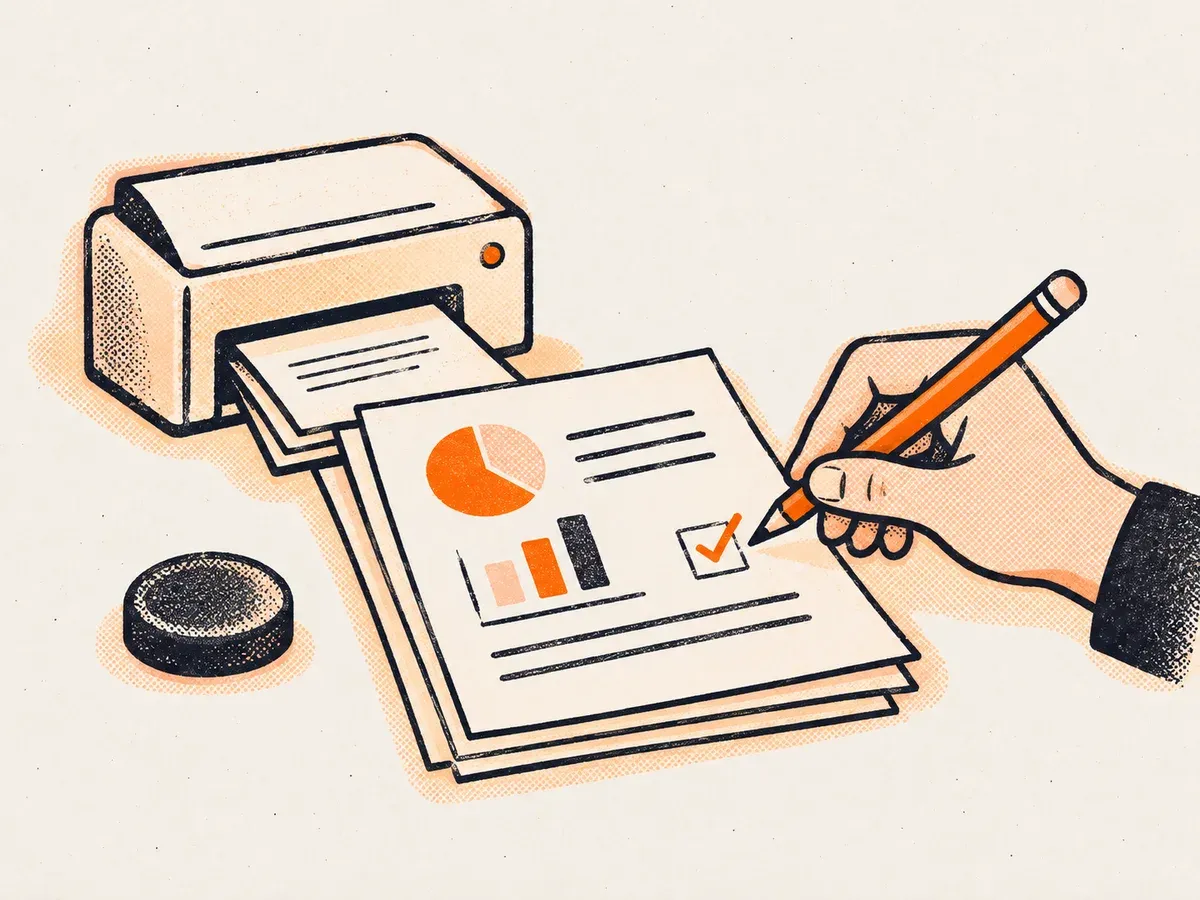
You can request an illustration, a composition variation or a change to an existing image. Supply a reference and specify what must stay unchanged. For advertising materials, separately check the product’s appearance, text, proportions and consistency with the offer. The images in this article demonstrate that work within a shared visual style. Feature details: image generation in ChatGPT.
Voice conversations and software development
Voice is useful for discussing ideas and clarifying a task; Voice has its own availability conditions. Codex provides tools for working with code: analysing a project, making changes and running tests. Generating a code snippet alone does not prove that an application works. You need to run it in a controlled environment and check the result.
Choose a model to suit the task. Rewriting a simple note takes different resources from analysing conflicting documents. OpenAI offers different models and reasoning effort settings; higher effort usually means longer work and greater usage. Check names and availability in the current model guide.
How to use ChatGPT in Polish - a sensible first step
Start on the official chatgpt.com website or in an application identified by OpenAI. You do not need instructions in English. Describe in Polish what you have, what you need and how you will check the result. Rather than connecting your whole business on the first day, choose a small task whose correct answer you can judge.
- Prepare non-sensitive notes about one service: scope, audience, price and exclusions.
- Ask for them to be organised into a proposal, with a list of missing information at the end.
- Compare the result with the source: has a new promise, deadline or number appeared?
- Ask for a change to one specific passage, explaining why.
- Keep the working instruction and a correct example for the next task.
A good first test: can ChatGPT say “information is missing” rather than fill the gap with a convincing sentence? Specify which information it may propose and which it must take directly from the source.
For translations, ask for localisation rather than a literal rendering alone. A Polish tax term, a German communication convention and a Ukrainian service name may not have identical equivalents. Material intended for a foreign market needs checking by someone who knows the language and local context.
ChatGPT in business: five tasks with clear review criteria
Instead of asking whether AI will “increase productivity”, check whether it reduces the time needed to prepare one type of material. The scenarios below are suggested tests. We do not attribute unmeasured savings to them.
Five processes to test
Swipe across the screen
Task
What you provide
When the result is ready
Every promise has a source; missing information is clearly identified.
A spreadsheet, metric definitions and rules for returns.
Totals reconcile and conclusions follow from the data.
No entitlements, discounts or deadlines have been added.
The offer, target audience, constraints and goal.
The hypothesis, materials and evaluation method are clear.
Someone unfamiliar with the process can follow the steps.
Example: enquiries are not yet sales
Suppose you compare campaigns by the number of submitted forms. ChatGPT may name the campaign with the most contacts as the winner. If some contacts are irrelevant, the answer will be weak from a business perspective despite correct calculations. Add qualification and the number of acquired customers. Only then assess the cost of a qualified enquiry.
The same applies to planning an advertising campaign: the tool can organise data, but it needs a goal and a definition of success. If the company has not established its margin, a revenue chart alone cannot replace it.
Mini-workshop: cheaper enquiries, a more expensive customer?
Here is synthetic data for testing the assistant. Both campaigns use the same definition of a qualified enquiry and the same measurement period.
Swipe across the screen
Metric
Campaign A
Campaign B
Based on cost per form submission alone, B wins. Based on cost per qualified enquiry, A wins. The checking formula is: spend / number of enquiries in the relevant category. None of these figures yet proves customer acquisition cost or profitability - sales and margin data are still missing.
Test instruction: “Compare both costs, show your calculations and explain which decision cannot yet be made.” A good answer will notice that accounting for quality changes the result and that there is no basis for automatically increasing the budget. That result says more about an assistant’s usefulness than a fluent paragraph about campaign optimisation.
How to write ChatGPT prompts with results you can verify
A good prompt is a short work brief. It defines the goal, materials, constraints, format and review criteria. Assigning the role of “world-class expert” will not replace a missing price list. OpenAI’s prompting guidance emphasises clear instructions, context and examples.
Prompt 1: a proposal without invented promises
Using the notes below, prepare a draft proposal for a small business owner. The notes are the only source for scope, prices and deadlines. Do not add services, guarantees or discounts. If information is missing, write “TO BE COMPLETED”. Output: the customer’s goal, scope, exclusions, terms and one next action. List every assumption at the end. Notes: [paste approved materials].
Check: compare numbers, deadlines and scope with the notes. Ask the model to identify the source of every promise, but verify those references yourself. The model’s self-assessment is an additional check, not independent evidence.
Prompt 2: spreadsheet analysis without guessing definitions
Analyse the attached spreadsheet. First list the columns, missing values and duplicates. If it is unclear whether amounts include VAT, pause financial calculations and ask. Once definitions are established, calculate results by month, show formulas and provide a reconciliation table. Separate observations from hypotheses. Do not infer the causes of changes from correlation alone.
Check: reproduce one total and one metric outside the chat. Assess whether empty records or returns have disappeared from the analysis. If the results will inform a financial decision, have the person responsible for the data review them.
Prompt 3: research that leaves room for uncertainty
Check current information about [topic] for [market and use case]. Use primary sources. For important claims, provide a link and the source’s date; distinguish the publication date from the event date. Separate confirmed facts, your conclusions and missing information. If you cannot access search, say so before answering. Do not fill gaps with invented quotations.
Check: open the most important sources and see whether they say exactly what the report attributes to them. Look for evidence against the main argument too. This is particularly important when a prompt assumes in advance that a chosen service will be profitable.
ChatGPT Search, deep research and the browser - different jobs
A model response, finding an up-to-date page and performing an action in a browser serve different purposes. Do not assume internet access simply because an answer contains today’s date. Search activity and verifiable references show whether sources were used.
When to use each tool
Swipe across the screen
Way of working
Good use
Main check
Whether the answer stays within the supplied data.
A current announcement, documentation, a specific source.
Date, author and whether the page supports the claim.
A multifaceted comparison and report using multiple sources.
Scope, conflicting evidence and completeness of sources.
Permissions and the actual effect of the action.
OpenAI describes search and deep research as tools whose availability depends on the account and settings. In practice, Search is enough to check a single specification. Comparing several suppliers’ terms needs broader research and document assessment, rather than a list of search results alone.
Content found online is material to analyse. It should not grant an assistant new permissions. A page or attachment may contain an instruction encouraging disclosure of data or some other action; this risk is called prompt injection. When automating work, separate read access from sending, publishing and payments. The permissions and security documentation explains the controls.
ChatGPT and SEO: better writing and making your business discoverable
There are two separate tasks here. The first is using ChatGPT to create a better website. The second is improving the chances that a search engine or assistant will use your material as a source. Simply repeating keywords solves neither.
Writing for search starts with the customer’s question
ChatGPT can help structure an article, identify gaps in an explanation and prepare title variations. Search demand data needs to come from a reliable tool. A list of “popular keywords” generated without measurement is a hypothesis. Search volumes, keyword difficulty and competitor rankings must not be invented.
For example, “what is ChatGPT”, “how to use ChatGPT” and “ChatGPT for business” express different needs: a definition, instructions and an assessment of its uses. A good article answers them in a natural order. Our article on what SEO is explains the basics of this approach.
Google recommends checking the accuracy and usefulness of AI-generated content, including titles, descriptions, alt text and structured data. Producing pages at scale without value may breach spam policies. Merely “humanising” sentences will not fix incorrect facts. Source: Google Search Central.
Visibility in Google and AI responses
Make your site accessible to crawlers, link it sensibly, answer questions and keep business details consistent. In its recommendations for AI Overviews and AI Mode, Google points to SEO fundamentals and says that no special schema markup or AI file is required. Meeting the requirements does not guarantee an appearance. Google’s guidance for AI features.
In OpenAI’s ecosystem, distinguish OAI-SearchBot for search from GPTBot, which accesses content that may be used for model training. Their rules are independent. You can allow search while blocking GPTBot. ChatGPT-User is used for certain user actions and does not serve the same role as an automatic search crawler. OpenAI crawler documentation.
A practical check for website owners: does the crawler receive the correct content, is the offer clear, do the details match the price list, and can you identify sources for important claims? Allowing a crawler enables access; it does not buy a citation in an AI response.
Measure results where you can actually observe them: Google queries and visits in Search Console, and referrals from assistants in available traffic data and customer conversations. A single screenshot of a ChatGPT response is neither a stable brand ranking nor evidence of increased sales.
Privacy: what to establish before uploading business data
Your choice of plan also matters for data management. Official documentation states that Business data is not used for training by default and describes Enterprise safeguards. OpenAI also states that it does not train on API inputs and outputs. These are specific policies for specific services, not a promise that every way of using ChatGPT has identical terms. Plans, Enterprise policies, API data.
Before adoption, check current account settings, the agreement, retention and integration policies. “We do not use it for training” does not mean “we neither process nor store it”. A tool connected to another service may pass data on within the scope of its permissions.
Preparing materials for work with AI
Material
A sensible first step
Good material for testing whether answers match the source.
First establish permissions, minimise data and approve the access method.
Passwords, access keys and particularly sensitive data
Exclude them from ordinary prompts and follow organisational procedures.
For trials, replace customers with fictional records. Removing a surname alone may not be enough: a person can be identified from a combination of other details. Have the person responsible for data protection assess the compliance of a specific process; a tool subscription does not replace that assessment.
How much ChatGPT costs: Free, Plus, Pro, Business and the API
Choose a plan for the way you work, rather than its fee alone. Someone editing a few documents has different needs from a team requiring access management. The amounts below are USD rates shown in OpenAI’s official pricing, checked on 31.10.2026. Check the final amount, taxes and local terms before buying.
Plans and billing options
Swipe across the screen
Plan
Reference price
What to assess before choosing
Whether available features and limits are sufficient for trials.
The scope of the specific plan on your account and market.
From 100 USD per month; options at 100, 200 and 500 USD.
Whether your workload justifies the higher limits and cost.
20 USD per user per month billed annually; 25 USD billed monthly. Minimum 2 users.
The cost of the model, tools, integration and review.
We do not convert these rates into a fixed price in PLN or quote fixed message limits. Limits depend on the model, task type and plan terms. The application subscription and API usage have separate rules; any credits are not a promise of unlimited access.
What a finished, accurate piece of work costs
Add data preparation, review, corrections and process maintenance to the subscription cost. A useful formula is: tool costs + the cost of completing and checking the task. Compare that total with doing the same task without AI. An inexpensive draft that takes a long time to repair may cost more than accurate work produced conventionally.
ChatGPT or Claude: compare the work, not the model’s claims
OpenAI develops ChatGPT; Anthropic develops Claude. Our blog already has a guide to Claude AI. Reading the two articles side by side shows how they explain the topic and guide the reader. It is not a controlled benchmark: the articles were written at different times, using different materials and instructions.
ChatGPT is worth testing when you want to combine research, documents, data and images in one task. That is a reason to run a test, not proof of superiority over every tool.
Prepare the same dataset and instruction for both systems. Record the model, plan, date and available tools. Assess factual accuracy, adherence to instructions, the number of manual revisions, time to a finished result and cost. If possible, hide the tool’s name from the person assessing the text.
Run several trials on tasks that genuinely recur in your business. The winner of one impressive task may not handle everyday work best. When two models agree on a fact, still check the source: matching answers do not provide independent confirmation.
How to introduce ChatGPT into your business and assess its value
I suggest a small pilot: one recurring process, one owner and a clear definition of a finished result. If you choose proposals, do not simultaneously add automated sending, social publishing and analysis of the entire CRM. First establish whether you can consistently obtain accurate material.
- Record your baseline. Measure the time needed to complete several similar tasks without AI, including review.
- Prepare the sources. One current offer, brand guidelines, a correct example and a list of exclusions.
- Define the instruction. The goal, inputs, format and conditions under which the assistant should ask a question.
- Run a series of trials. Keep the responses, errors and time spent on manual revisions. Include an unusual case.
- Compare the results. Calculate total time, cost and the proportion of materials that meet the criteria.
- Make a decision. Keep the process, improve it or end the trial. Consider integration only after reviewing the results.
Successful adoption means consistently accurate results. If the gain disappears once checking and corrections are included, change the task, sources or instructions. Using AI is not a business benefit in itself.
ChatGPT can shorten the path from source materials to finished work. Much depends on whether it receives the right data and has a clear stopping condition. The same approach is worth developing for content marketing: sources and purpose first, then a draft, review and publication.
ChatGPT - frequently asked questions
What is ChatGPT and who created it?
ChatGPT is an AI assistant from OpenAI. It uses models and tools for conversation, analysing materials and creating content. ChatGPT is the application, while GPT is the name of a model family. Available features depend on the plan, settings and access to tools.
Is ChatGPT free, and does it work in Polish?
Yes. You can start with the Free plan and write instructions in Polish. Free access has limits and does not include everything available on paid plans. Check Polish responses for names, inflection, industry context and brand tone.
Can ChatGPT access the internet?
It can use search if the feature is available and actually used for the task. A response in the chat does not by itself prove that the internet was checked. For current topics, ask for sources, dates and a distinction between facts and conclusions, then open the cited pages.
Can you upload business documents to ChatGPT?
First check your organisation’s policies, plan, data settings and permission to share the material. Use synthetic or minimised data for trials. Not training on data does not mean that it is neither processed nor stored.
Does ChatGPT Plus include the API?
The application subscription and API billing are separate mechanisms. Do not assume that Plus provides unlimited API access. Any promotional credits have their own terms. When building an integration, check current API and tool pricing and spending limits.
Can ChatGPT create images, spreadsheets and presentations?
Available tools can generate and edit images and prepare files, including spreadsheets and presentations. Availability depends on the plan and working environment. Open and check the finished file, especially its numbers, formulas, layout and consistency with the source material.
Does content written by ChatGPT harm SEO?
Using AI alone does not determine a page’s ranking. Google requires helpful, reliable content that follows its search policies. Generating pages at scale without value for readers may violate spam policies. Facts, metadata and content need checking before publication.
Is ChatGPT better than Claude?
There is no fair answer without defining the task, models and tools. Compare both systems using the same materials and criteria: accuracy, revisions, time, cost and data policies. This article does not present a controlled benchmark of the two products.
Sources and what to check before purchase or adoption
This article draws on the manufacturer’s documentation and Google’s guidance. It does not treat the manufacturer’s claims as an independent effectiveness test. Links alongside specific claims lead to source materials; the examples, prompts and pilot plan are the author’s proposals.
Verification date: 31.10.2026. Before making a decision, check pricing, feature availability, models and data policies in your account again. These elements change faster than the basic method of working with an assistant.